Research
The Smart Mobility Lab works in four thrusts. AI runs through all of them: in how vehicles perceive and decide, how charging demand is predicted, and how system models are calibrated. Each thrust ends in something agencies can use, such as a tested algorithm, a deployment guideline, a planning model, or a dataset.
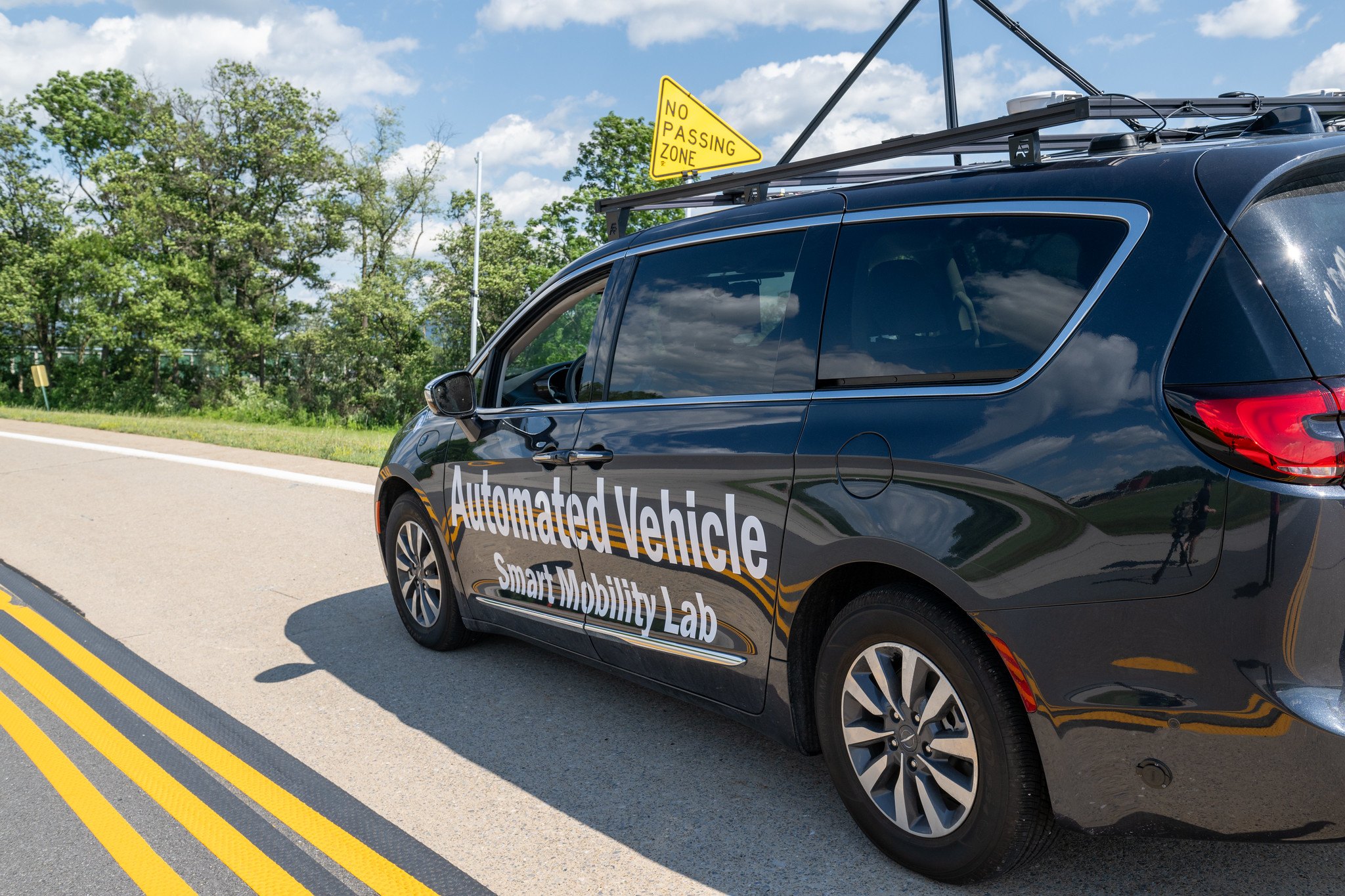 Automated & Cooperative DrivingAI for automated vehicles, from deep learning to large language and vision-language models, tested on a full-size vehicle.Perception and localizationPrediction, behavior, and scenario generationPlanning, control, and AI decision-makingInfrastructure and policy for automation
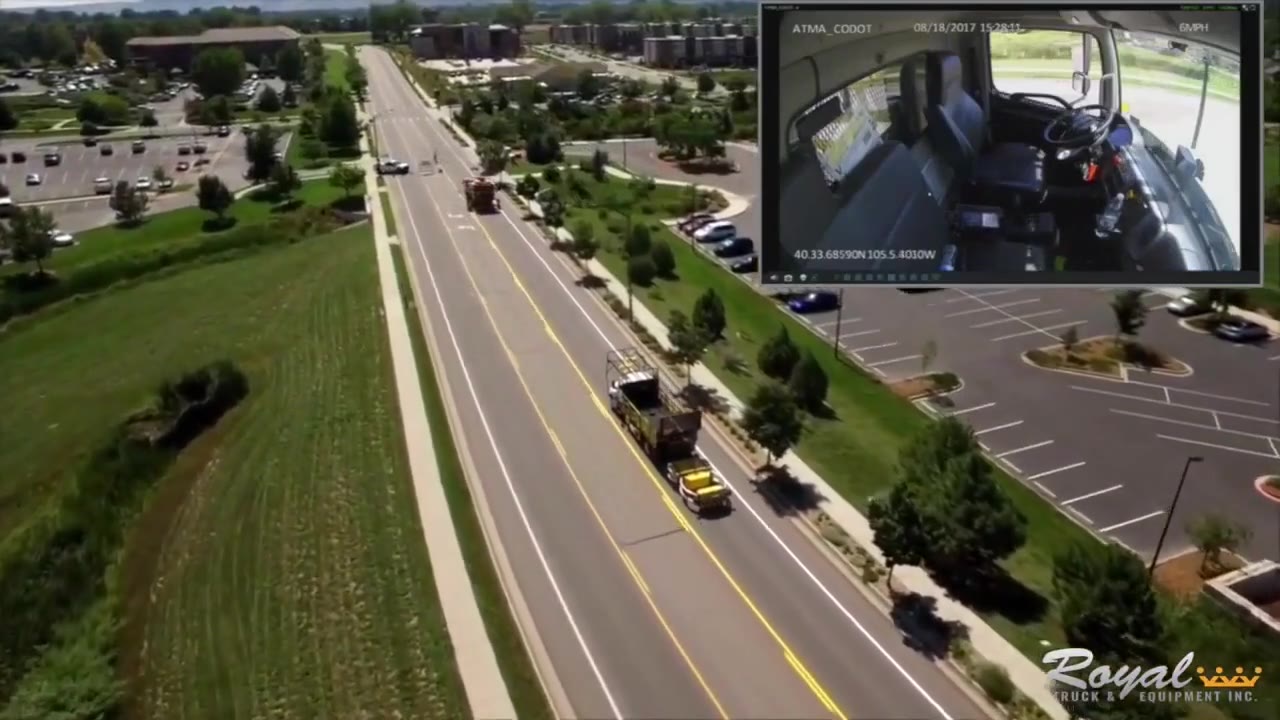 Work Zone Automation (ATMA)Driverless follow trucks that take highway maintenance workers out of the crash zone.Field testing and evaluationOperational design domain and guidelinesResilience and localizationOperations planning
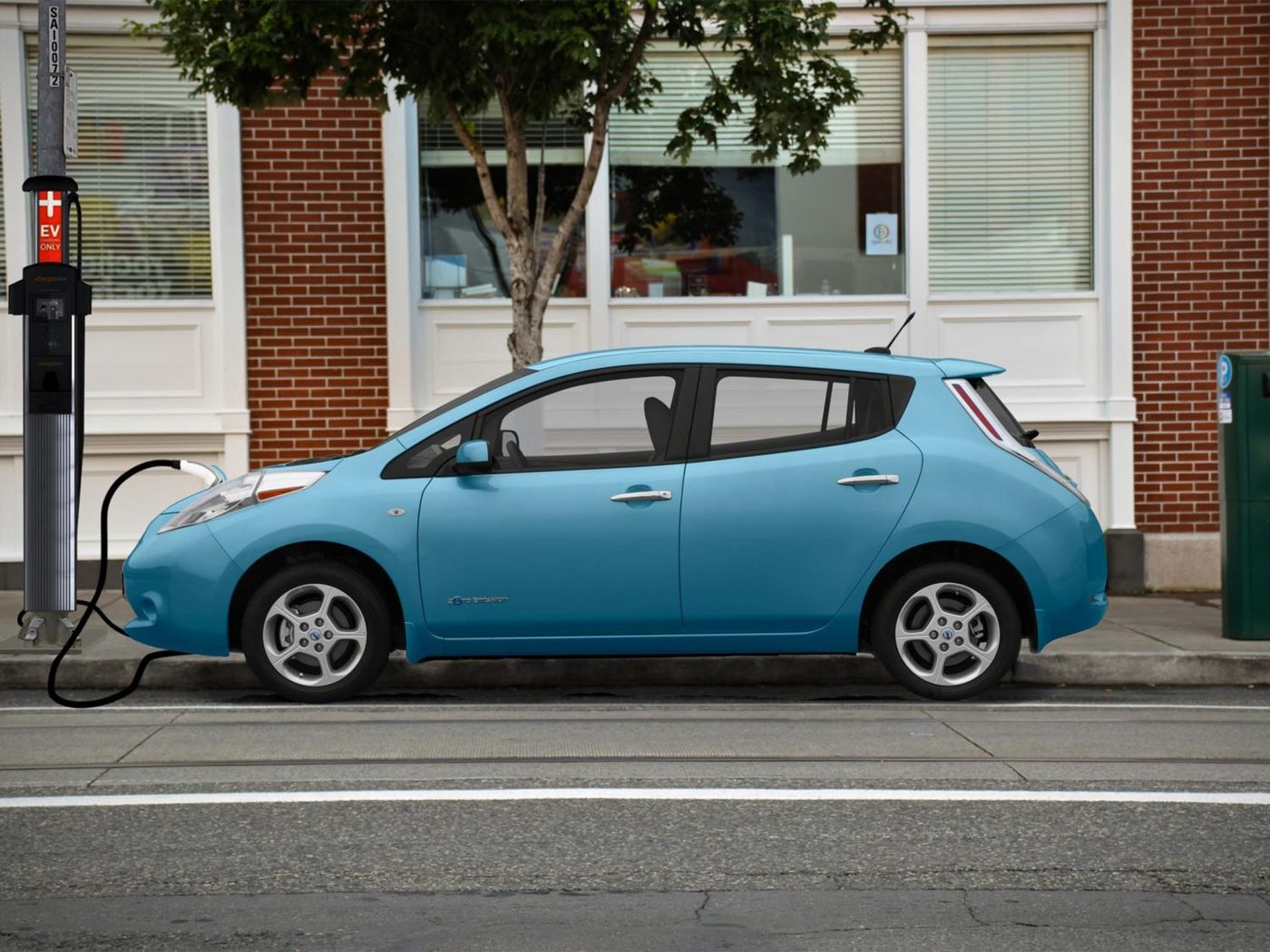 Transportation ElectrificationWhere EV charging is needed, who invests in it, and how fleets make the switch, using AI from machine learning to multimodal LLMs.Charging demand and driver behaviorCharging infrastructure planning and investmentStreetlight chargingMedium- and heavy-duty fleet electrification
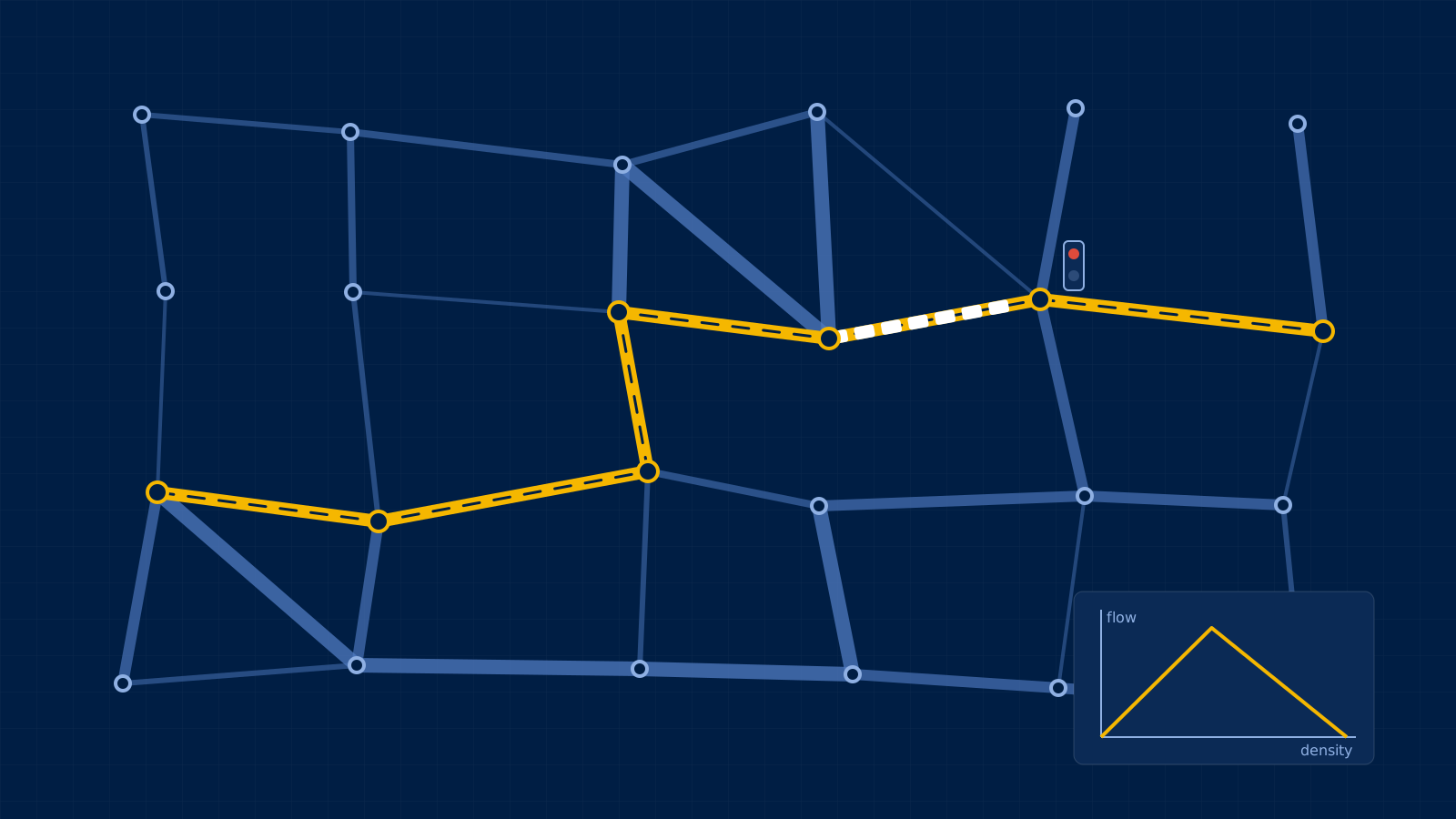 Transportation System ModelingAnalytical, data-driven, and physics-informed AI models of how traffic, travelers, and networks behave.Queueing, bottlenecks, and capacityNetwork modeling and demand calibrationConnected vehicle data and road conditionsPrivacy-preserving mobility dataTravel behavior and demand management
Our test vehicle, track, and simulator
We test our algorithms on our own full-size automated vehicle, on a USDOT-designated proving ground, and in a driving simulator linked to a co-simulation platform.
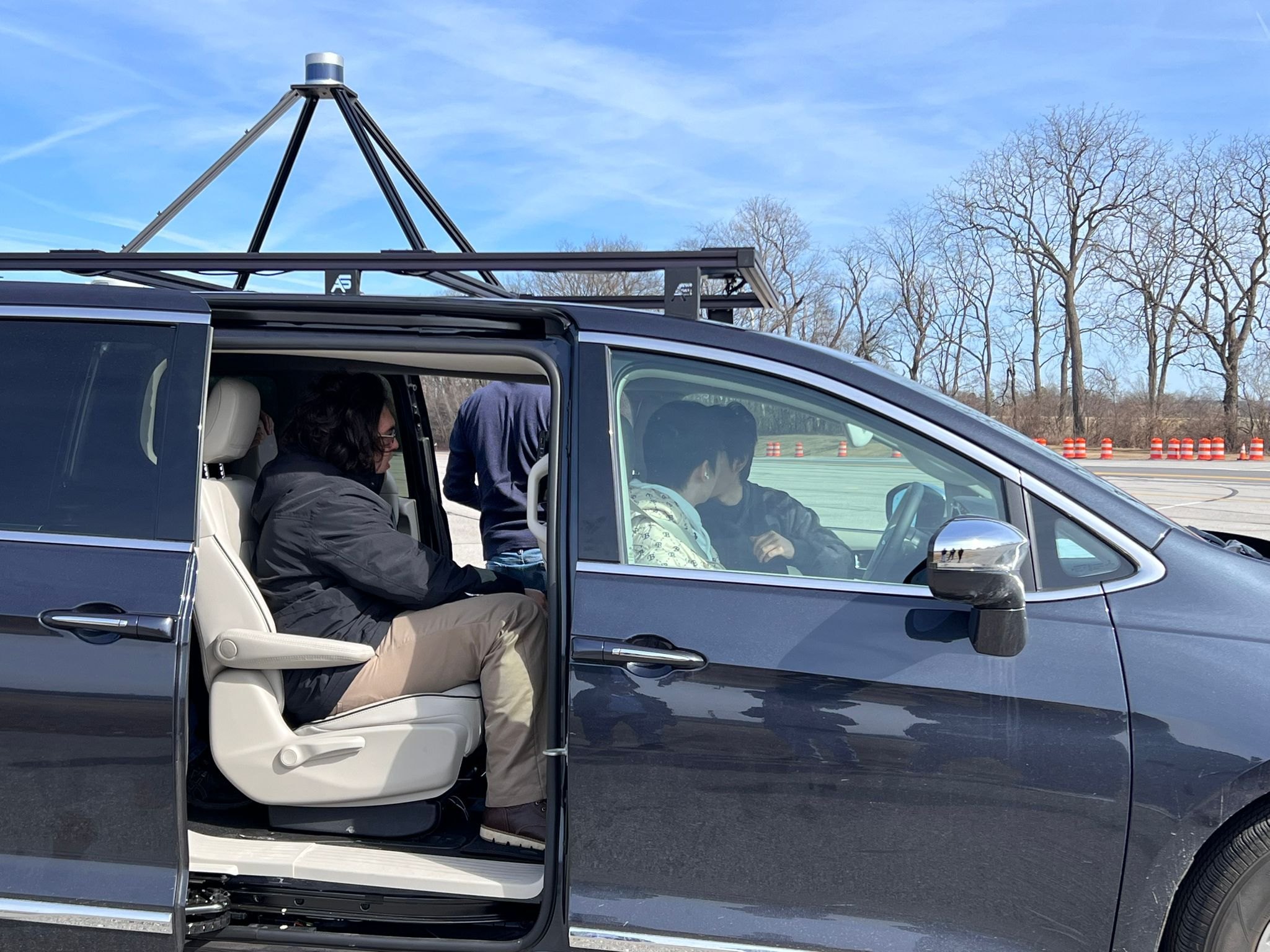 Full-size autonomous vehicleA retrofitted 7-seat Chrysler Pacifica with drive-by-wire control and a full sensor suite.
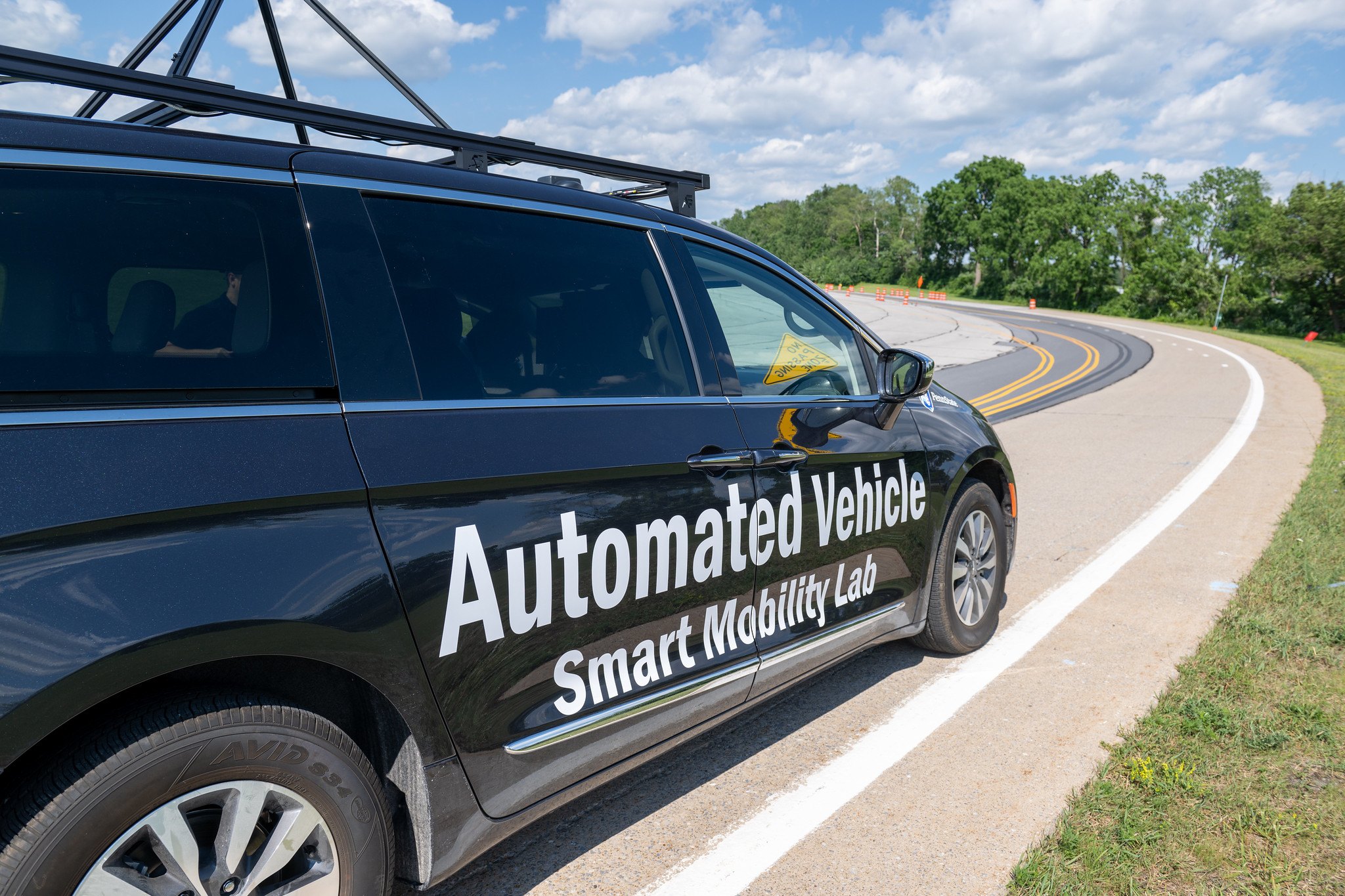 LTI test trackA full-scale test track at the Larson Transportation Institute (LTI), designated by USDOT as one of 10 Automated Vehicle Proving Grounds.
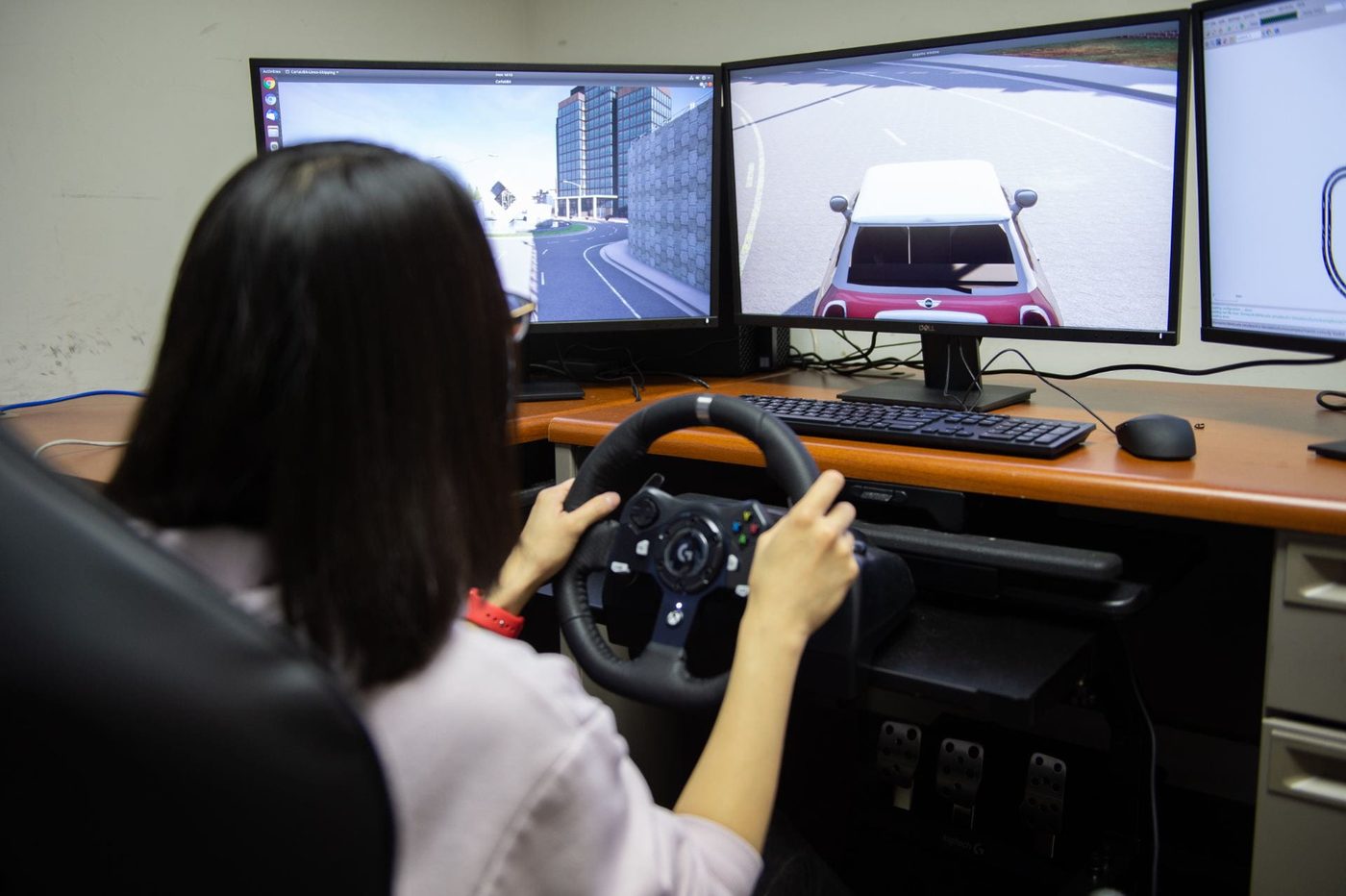 Driving simulator and co-simulation platformA driving simulator linked to a CARLA–SUMO–Autoware co-simulation suite for cooperative driving research.